Introduction
So, you’ve created a beautiful font, mockup set, or UI kit—but how do you know if people actually want it?
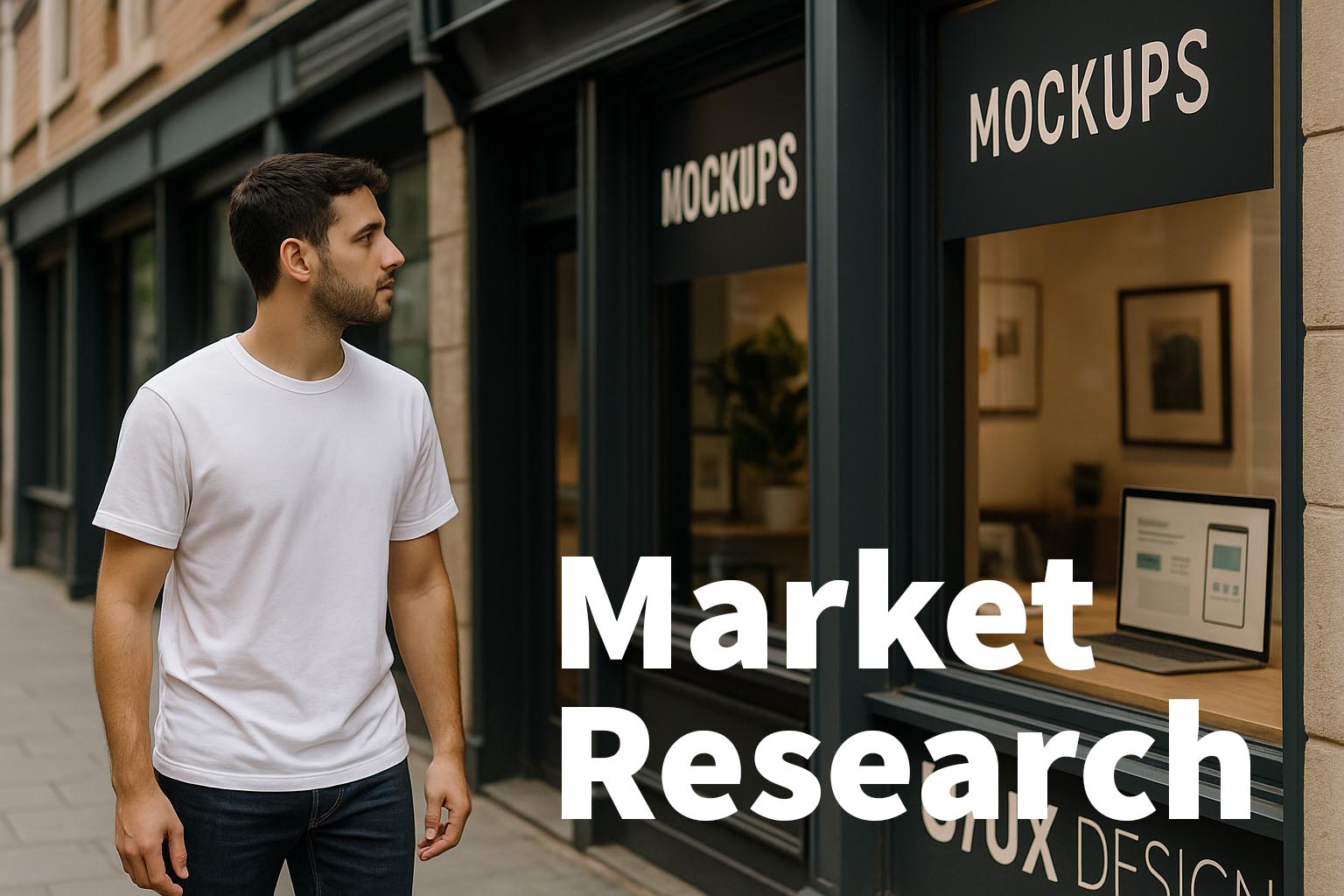
Welcome to the world of market research—the secret weapon behind successful creative digital products.
Whether you’re selling on platforms like Creative Market, Primefont.com, Gumroad, or your own website, understanding the market is key to standing out, building demand, and increasing sales.
In this article, we’ll explore practical and designer-friendly ways to do market research for digital products like fonts, branding assets, templates, and more.
1. Why Market Research Matters for Digital Creators
Market research helps you:
- 🎯 Identify what your audience wants
- 🧠 Avoid creating products nobody buys
- 💰 Price your product competitively
- 🚀 Position your work effectively
- 🌎 Understand trends and niches in the design world
Rather than guessing what will sell, research helps you make informed decisions that align with actual demand.
2. Know Your Audience First
Before diving into platforms and trends, ask:
- Who will use this product?
(Designers, small businesses, marketers, agencies?) - What problem does it solve?
(Time-saving? Branding needs? Better presentations?) - Where will it be used?
(Social media, client pitches, apps, merchandise?)
For example:
- Fonts like Hunters solve bold branding needs for big campaigns.
- UI kits help startups launch faster without hiring full-time designers.
- Mockups speed up client presentations or online shops.
3. Explore Top Marketplaces
Check what’s selling on popular digital platforms:
- Creative Market: Explore top fonts, graphics, and templates
- Envato Elements: Analyze what’s featured and trending
- Primefont.com: See new and best-selling fonts in modern categories
- Gumroad / Itch.io: Independent creators’ marketplace for niche audiences
- DesignBundles / FontBundles: Popular with small business buyers
What to observe:
- Font styles (script, serif, brutal, minimal?)
- Pricing tiers
- Preview presentation styles
- Bonus offerings (logos, mockups, etc.)
4. Use Keyword Tools and Search Trends
What people search tells you what they need.
Try:
- Pinterest Trends – Great for visual product research
- Google Trends – Track interest for keywords like “horror font” or “UI Kit 2025”
- Etsy Search Bar – Shows autocomplete suggestions
- KeywordTool.io – Free alternative to find search volume
- Ubersuggest / Ahrefs – Advanced SEO keyword insights
Look for:
- Long-tail keywords (e.g. “vintage serif font for branding”)
- Seasonal trends (e.g. “Halloween font”, “Eid mockup”)
- Gaps or low-competition keywords you can target
5. Analyze Your Competitors (But Don’t Copy)
Competitor research = learning, not stealing.
Look at:
- What products are getting reviews?
- What visuals or product mockups they use?
- What niches they focus on? (Wedding, horror, kids, minimalist?)
Then ask yourself:
- What can I do better?
- What angle or story can I bring that’s missing?
For example: if many are selling minimalist fonts, maybe yours can add cultural inspiration like in the Zamruds or Richman font styles.
6. Validate Your Idea Before Launch
Don’t spend weeks building a font or UI kit without feedback.
Validation methods:
- Share WIP (work-in-progress) on Instagram, Threads, Dribbble
- Ask your email list or Discord community for votes or opinions
- Run polls (e.g. “Which cover looks better?”)
- Offer pre-orders or free trials to gauge interest
- Launch a free version and track downloads before selling the premium one
💡 Pro Tip: Create a “Coming Soon” page with an email signup. If nobody signs up, rework the concept.
7. Find Micro Niches with Passionate Buyers
You don’t need to appeal to everyone. Find small but passionate groups:
- Black metal font fans (e.g. Blackmetalfont.com)
- Spiritual or gothic font communities
- UI kits for crypto projects
- Fonts for YouTubers or content creators
- Templates for Etsy sellers or Instagram shops
Smaller markets = less competition + more loyalty.
8. Study Real-Life Applications
Where do buyers actually use your product?
📦 Fonts → Logos, posters, packaging, Instagram
🎨 Mockups → Client work, Behance, Etsy listing photos
📱 UI Kits → Startups, MVP apps, pitch decks
📖 Templates → Ebooks, guides, planners, Instagram carousels
Study:
- Popular Behance case studies
- Instagram carousel trends
- Pinterest branding boards
- YouTube UI design breakdowns
Design your product previews accordingly.
9. Don’t Ignore the Power of Style Trends
Trends shape demand. Stay updated with:
- Brutalism
- Retro aesthetics
- Minimalism and neutral tones
- Grunge / texture-heavy UI
- Typography with personality
Follow design blogs, YouTubers, and Pinterest boards to stay in the loop.
But remember: combine trends with originality.
10. Document What You Learn
Use Notion, Trello, or Google Sheets to track:
| Idea / Product | Competitor | Price | What Makes It Work? | What I Can Do Better |
|---|---|---|---|---|
| Horror Font | FontX | $15 | Unique dripping style | Add cultural twist |
Keep your research organized—so you can act fast when ideas strike.
Conclusion
Market research isn’t about copying—it’s about understanding what works and why.
By listening to your audience, spotting gaps, and testing ideas early, you’ll save time, boost sales, and create products people genuinely need.
So before your next font, mockup, or digital product—do your homework, validate, and launch with confidence.
🎯 Pro Tip: Platforms like Primefont.com offer a clean, modern space to sell professional fonts with clear licensing. Perfect for creators who value branding and quality.
Now get out there and research like a pro. Your next best-seller is one idea away.