Introduction
In a world filled with freelancers, what makes a designer unforgettable?
It’s not just your portfolio or pricing—it’s your personal brand.
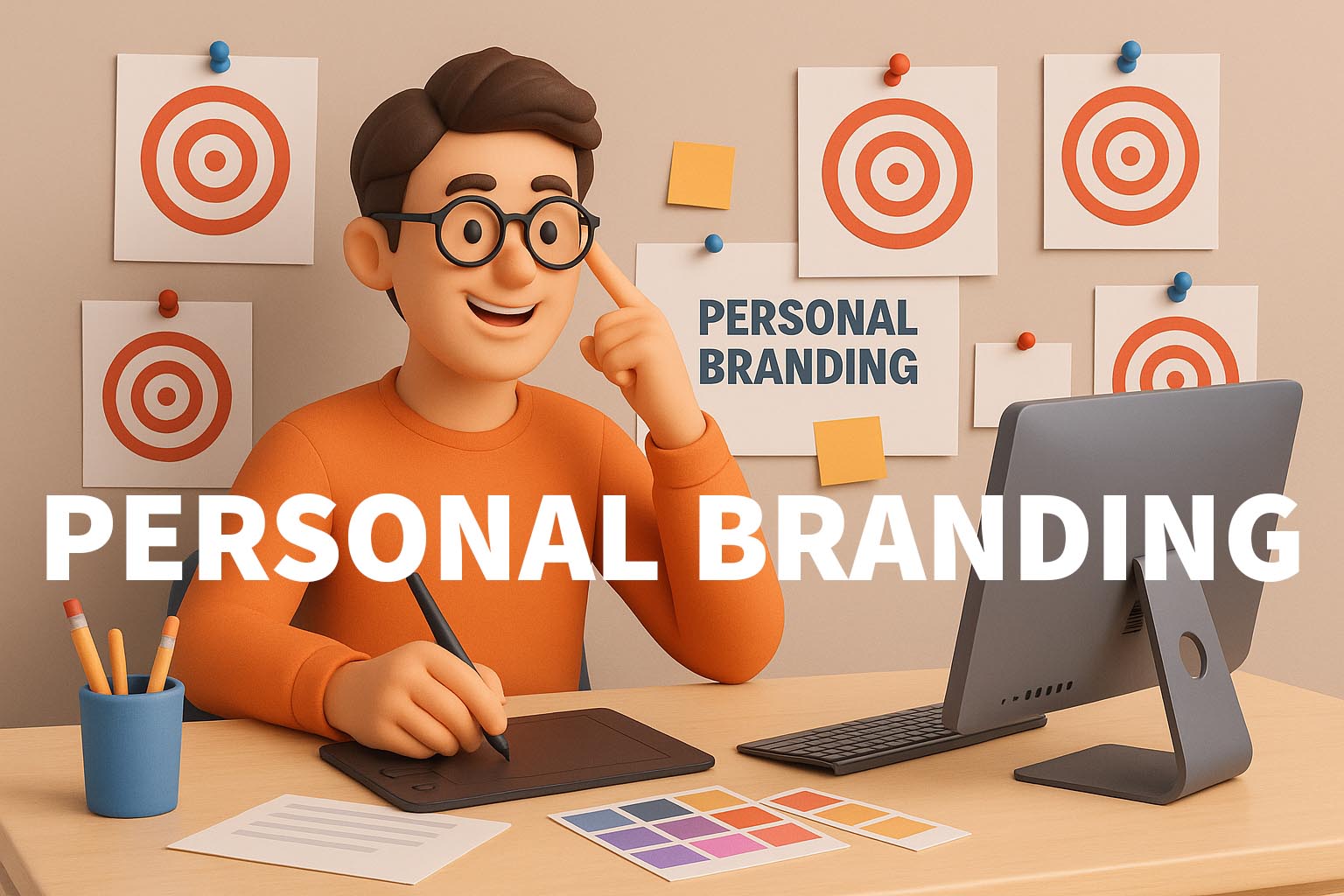
For freelance designers, personal branding is more than self-promotion. It’s about crafting an identity that reflects who you are, how you work, and what value you bring to the table. When done right, personal branding helps you build trust, attract dream clients, and stand out in a crowded market.
In this guide, we’ll explore actionable strategies to build and strengthen your personal brand as a freelance designer in 2025.
1. What is Personal Branding for Designers?
Personal branding is how the world perceives you.
It’s a combination of:
- Your design style
- Your voice and tone
- Your values and vision
- The content you share
- Your visual identity (colors, fonts, logo, etc.)
In short, it’s what people say about you when you’re not in the room—or in the pitch meeting.
2. Why Personal Branding Matters for Freelancers
Here’s what a strong personal brand can do:
✅ Attract better clients – Those who align with your values
✅ Build authority – Be seen as an expert in your niche
✅ Increase income – Clients pay more for recognized brands
✅ Grow organically – Word-of-mouth and referrals come faster
✅ Create consistency – Across your website, social media, and proposals
Without a brand, you’re just another “designer for hire.”
With a brand, you’re a specialist with a story.
3. Define Your Brand Identity
Start with these questions:
- What kind of work excites me the most?
- What type of clients do I want to attract?
- What makes my style unique?
- What do I want to be known for?
Use your answers to develop a brand positioning statement, such as:
“I help sustainable startups build bold, nature-inspired identities.”
“I design elegant, minimalistic branding for female entrepreneurs.”
“I create brutal, expressive black metal fonts for underground music brands.”
4. Build a Consistent Visual Language
Your visual identity should reflect your personal brand:
🎨 Color palette – Choose 2–3 core colors that represent your vibe
🔠 Typography – Use fonts that match your tone (bold, soft, edgy, minimal)
🧢 Logo or monogram – Design a simple personal logo or initials
📸 Imagery style – Keep a visual theme in your portfolio and posts
💡 Bonus: Use your own custom fonts (like those from Primefont.com) to make your brand stand out!
5. Optimize Your Portfolio & Website
Your portfolio is often the first impression. Make it count:
✅ Showcase your best work, not all work
✅ Add context—what problem did you solve?
✅ Explain your process briefly
✅ Use case studies with before/after
✅ Display testimonials and social proof
💡 Pro Tip: Add a “My Brand Philosophy” page or section on your site. It humanizes your work and builds connection.
6. Show Your Face and Personality
People connect with people—not anonymous portfolios.
Add a professional photo or a playful cartoon avatar. Share:
- Your creative workspace
- Sketches and behind-the-scenes
- Projects in progress
- Personal passions (within relevance)
Be approachable and human. That’s how clients remember you.
7. Master Your Messaging
Your voice matters. Whether you’re writing a bio, caption, or project description, use a consistent tone.
Examples:
- Bold & confident
- Calm & minimalist
- Rebellious & edgy
- Friendly & playful
Write your Instagram bio, About Me, and email signature with intention. Example:
“Helping bold brands look iconic through minimalist design. Currently booked for April.”
8. Use Social Media Wisely
You don’t need to be on every platform. Pick 1–2 where your audience hangs out.
🟢 Instagram – Great for visuals, carousels, and stories
🟢 LinkedIn – For professional connections and authority
🟢 Pinterest – Traffic-driving for font creators or mockups
🟢 Twitter/X – For thoughts, updates, and design tips
🟢 TikTok – If you enjoy showing your process creatively
Be consistent. Share insights, finished work, font releases, or branding tips.
9. Network Like a Human
People work with people they trust.
- Join design communities (Discord, Reddit, FB Groups)
- Collaborate with other freelancers
- Comment on other designers’ work
- Help without expecting anything in return
The more you show up, the more visible you become.
10. Align Your Brand with Your Services
If your brand says “bold and experimental,” don’t offer boring templates.
If you’re “minimal and timeless,” don’t push loud neon visuals.
Make sure your services, products, pricing, and deliverables reflect your brand promise.
Clients love consistency—it builds trust.
Conclusion
Your personal brand is your most powerful asset as a freelance designer.
It helps you:
- Stand out
- Attract dream clients
- Grow your business
- Build long-term credibility
You’re not just a designer. You’re a creative brand.
So start defining your message, style, and voice. Stay consistent, stay authentic—and let your work (and your brand) speak for itself.
And if you want fonts that match your style, whether bold, brutal, or minimal—visit Primefont.com for high-quality, ready-to-use professional fonts.